
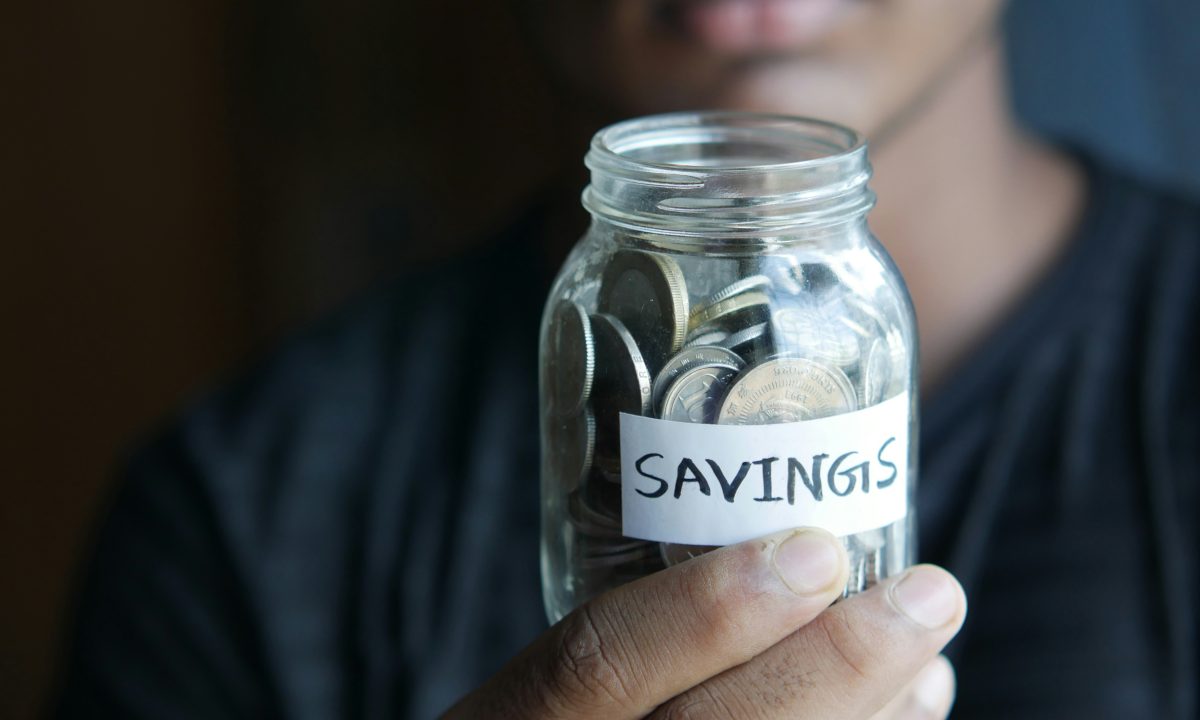
| ✅ Key Takeaways — What You Will Learn |
| Saving $1,000 in 30 days is achievable even on a modest income. |
| The key is combining spending cuts with quick income boosts simultaneously. |
| Cancelling subscriptions and meal prepping alone can save $200–$400/month. |
| Selling unused items is the fastest way to generate immediate cash. |
| Automating your savings is the single most effective long-term habit. |
Is Saving $1,000 in 30 Days Really Possible?
Yes — and thousands of people do it every month. Saving $1,000 in 30 days means finding just $33.34 per day through a combination of cutting spending and adding income. That is very achievable when you have a clear plan and execute consistently.
This guide gives you a concrete, day-by-day framework to hit $1,000 in one month — no matter your current income.
Step 1: Know Your Numbers (Day 1–2)
Before you can save more, you need to know exactly where your money is going. Open your bank app and review the last 30 days of transactions. Categorize every expense into: essentials (rent, utilities, groceries), lifestyle (eating out, subscriptions, entertainment), and one-offs.
Most people are shocked to discover they spend $200–$500/month on things they barely use or notice. This awareness exercise alone is worth $100–$300 in savings.
| 💡 Pro Tip |
| Use a free app like Mint, YNAB, or even a simple spreadsheet to categorize your spending. Seeing the numbers makes cutting feel concrete, not abstract. |
Step 2: The 12 Fastest Ways to Save $1,000 This Month
1. Cancel Unused Subscriptions — Save $50–$200
The average American pays for 4–5 streaming services but regularly uses 2. Add gym memberships, app subscriptions, box services, and news sites. Cancel everything you have not used in the last 14 days. You can always resubscribe next month.
2. Meal Prep and Cut Eating Out — Save $150–$300
Eating out is one of the top three budget killers for most households. Cooking at home costs roughly 3x less per meal than ordering out. Plan 5 dinners for the week on Sunday, buy ingredients in bulk, and cook in batches. Even cutting restaurant meals from 10 to 2 per month saves $120–$250.
3. Sell What You No Longer Use — Earn $100–$500
Walk through your home and identify items you have not used in 6 months. Electronics, clothes, furniture, sporting equipment, and books all sell quickly on Facebook Marketplace, eBay, or Poshmark. One afternoon of listing can generate $200–$500 in fast cash.
4. Switch to Cash for Weekly Spending — Save $50–$150
Studies show people spend 12%–18% more when paying by card versus cash. Withdraw your weekly spending budget in cash. When the cash is gone, spending stops. Simple and surprisingly effective.
5. Negotiate Your Bills — Save $30–$100/month
Call your internet, phone, and insurance providers and ask for a loyalty discount or promotional rate. Most companies have retention deals they will not offer unless you ask. Saying “I am considering switching providers” often results in an immediate discount.
6. Temporarily Pause Lifestyle Spending — Save $100–$300
For just 30 days, pause non-essential spending: clothing, home decor, apps, hobbies. A one-month spending fast on lifestyle categories typically saves $100–$300 with minimal impact on quality of life.
7. Use Cashback Apps and Browser Extensions — Save $20–$80
Install Rakuten, Honey, or Capital One Shopping before making any online purchases. These tools automatically apply coupons and earn cashback — completely passive savings on purchases you were making anyway.
8. Reduce Grocery Bill by 20% — Save $60–$120
Switch to store-brand products for staples (pasta, rice, canned goods, cleaning supplies). Buy produce that is in season. Use the store discount app before shopping. Eliminating impulse buys by shopping with a list saves 15%–25% per trip.
9. Temporarily Pick Up a Side Hustle — Earn $100–$400
Even one weekend of driving for Uber/Lyft, delivering for DoorDash, or doing TaskRabbit jobs can earn $100–$300. Sell skills on Fiverr (writing, design, data entry). Offer lawn mowing, car washing, or pet sitting in your neighborhood.
10. Refinance or Pause High-Interest Payments Strategically
If you are paying high interest on credit cards, consider a balance transfer to a 0% APR card for the month. Use the saved interest to add to your $1,000 goal. Do not use this as an excuse to spend more — only as a temporary tool.
11. Use Loyalty Points and Gift Cards
Check your credit card rewards, airline miles, hotel points, and any gift cards you have forgotten about. Many people have $50–$200 sitting unused in loyalty programs that can offset everyday purchases.
12. Automate a Daily Micro-Transfer — Save $33/day
Set up an automatic daily transfer of $33 from checking to savings. Automating your savings removes the psychological friction of manually moving money — making the habit effortless.
The 30-Day Savings Tracker
| Week | Savings Actions | Target Saved | Cumulative Goal |
| Week 1 | Cancel subscriptions, audit spending, list items to sell | $150–$200 | $200 |
| Week 2 | Meal prep, sell items, first side hustle day | $250–$300 | $500 |
| Week 3 | Negotiate bills, grocery switch, cash envelope method | $200–$250 | $750 |
| Week 4 | Final push — sell more, cashback apps, automate transfer | $250–$300 | $1,000+ |
What to Do With Your $1,000 Once You Save It
Once you hit $1,000 — do not spend it. Put it to work immediately:
- Build your emergency fund: Move it to a high-yield savings account earning 4%–5% APY.
- Pay down high-interest debt: If you have credit card debt above 15% APR, paying it down is a guaranteed return.
- Start investing: Open a brokerage account and buy your first index fund share.
- Fund a passive income project: Use it to start a blog, buy a course, or create a digital product.
| ⚠️ Important Warning |
| Saving $1,000 once is a great achievement — but the real goal is building the habits that make saving $1,000 effortless every month. Focus on systems, not willpower. Automate everything you can. |
FAQs
What if I earn minimum wage — can I still save $1,000 in 30 days?
At $15/hour working 160 hours/month, your take-home is roughly $1,800–$2,000. Saving $1,000 means living on $800–$1,000 for one month — very tight but possible if you have a roommate or low fixed costs. Add a side hustle for the extra boost.
Should I save $1,000 or pay off debt first?
Financial experts typically recommend having at least $1,000 as a starter emergency fund before aggressively paying debt. This prevents you from going deeper into debt when an unexpected expense arises. After your $1,000 is saved, redirect every extra dollar to high-interest debt.
📖 Related Articles on LegendIdea
- → Best High-Yield Savings Accounts 2026
- → The 50/30/20 Budget Rule Explained
- → How to Build an Emergency Fund
- → 15 Passive Income Ideas for Beginners
| 📤 Share this article & subscribe for free weekly money tips at legendidea.com |

Leave a Reply